
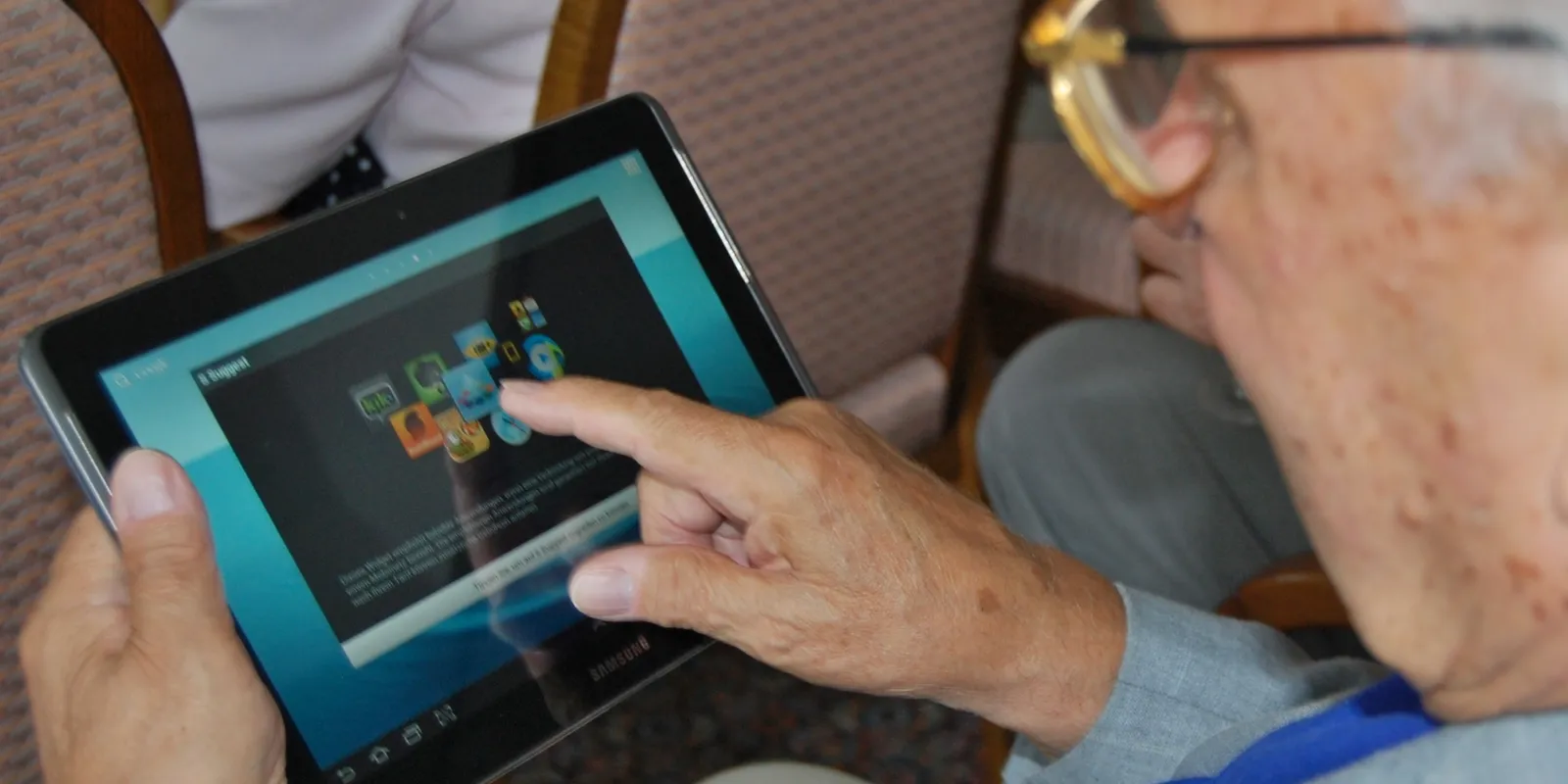

The Baby Boomer generation has seen a seismic shift in technology since 1946. There was a time when making a phone call meant finding a phone that was attached to a wall and asking the operator to connect you. Now most carry a smartphone that has more power than the first computers that filled a room.
Although younger generations like to joke about older generations needing help with technology, the generation that led us through the last 8 decades is finding plenty of ways to use AI to their advantage.
Comprehensive Health Care
Many Baby Boomers are using AI to help formulate a more comprehensive approach to their medical care. AI can help you prepare questions for doctor visits and decipher the medical terms posted to your medical portal following a procedure. Although it cannot replace a doctor’s diagnosis, using AI to evaluate and explore your symptoms can help you advocate for your care.
How much should one rely on AI to answer medical questions? Harvard Health Publishing offers some helpful guidance on using AI as a resource without relying on it for medical decisions.
In-Home Care
Finding the right caregiver for an aging loved one can be overwhelming. But now, AI can help families find and compare caregivers and understand the levels of care available. A useful resource is Medicare’s Care Compare tool, which allows you to research different home health agencies.
If you are faced with caring for a loved one at home who has suffered a debilitating medical event, AI can help identify potential safety concerns, create a home safety checklist, help organize appointments, and suggest medical devices. AARP explores the many ways AI is helping families navigate the challenges of caring for a loved one.
Scams
We have all received a text or email that made us stop and wonder, “Is this a scam?” These days, scammers are getting creative by using convincing messages, links, and even voice recordings. Now you can ask AI to examine suspicious messages to protect you from scams. But of course, scammers are using AI too. The Federal Trade Commission offers a warning on what to look out for and the steps that should be taken to ensure your safety.
Who Says You Can’t Teach an Old Dog New Tricks?
Our society has adapted to a lot of technological changes over the years. We have gone from paper checks to online banking, and from flipping through television channels to asking Alexa to turn on our favorite shows.
AI is just the latest technology. And while it may seem intimidating at first, the Baby Boomers have proven time and time again that they are more than capable of adapting to something new.
But like any new technology, knowing its limitations is just as important as knowing how to use it. After all, AI doesn’t always have the right answers. Human experience and good judgment are frequently still the best tools we have.
Questions families ask
Common questions
- Can I use AI to write my own will or power of attorney?
AI is a good way to get organized: listing your accounts, thinking through who you trust, and writing down the questions you want to ask. It is not a good way to produce the documents themselves. A chatbot does not know Wisconsin's signing rules, and a document that misses them may not work when your family needs it. A Wisconsin will must be signed in front of two witnesses (Wis. Stat. § 853.03), and a health care power of attorney needs two adult witnesses who are not related to you (Wis. Stat. § 155.10). Bring your AI-assisted notes to an attorney and let them become a plan that holds up.
- Is it safe to type my medical or financial information into an AI tool?
Be careful. Many AI tools keep what you type, and some use it to improve their products. You can usually get a helpful answer without your name, date of birth, Social Security number, account numbers, or passwords. Describe the situation instead of pasting in the whole record, and read the tool's privacy settings before you share anything personal.
- What should I do if a call or message from a family member sounds like an emergency?
Slow down. Scammers can now copy a loved one's voice from a short clip online. Hang up and call your family member back on a number you know is theirs, or check with someone else in the family before you send money. Requests for wire transfers, gift cards, or cryptocurrency are a warning sign on their own. If you think you have been targeted, report it to the Federal Trade Commission at ReportFraud.ftc.gov.
- Who makes medical decisions for me if I cannot make them myself?
The person you name in a health care power of attorney. In Wisconsin it takes effect only after two physicians (or a physician and an advanced practice clinician) examine you and certify that you cannot make your own health care decisions (Wis. Stat. § 155.05). Without one, your family may have to ask a court to appoint a guardian. AI can help you prepare for a doctor's visit; it cannot speak for you when you are unable to.
- How can I make it easier for my family to help me with bills and accounts as I get older?
A durable power of attorney for finances and property lets someone you trust step in with banks, insurers, and caregivers if you need help. Under Wis. Stat. ch. 244 it can take effect right away or only if you become unable to manage your affairs, and you can change or revoke it while you are able. Pair it with an up-to-date list of where your accounts are, so the person you choose can actually find them.
Resources
Sources and next steps
The articles Rebecca cites above, plus where to report a scam and the Wisconsin laws behind the planning documents. They open in a new tab and are maintained by the organizations named, not by Rebecca Mason Law.
Sources in this post
- Harvard Health Publishing: Can a chatbot answer your medical questions? How to use AI as a health resource without relying on it for medical decisions.
- Medicare.gov: Care Compare Research and compare home health agencies, nursing homes, and other providers near you.
- AARP: How AI can help caregivers Practical ways families are using AI to manage a loved one's care.
- Federal Trade Commission: Scammers use AI to enhance their family emergency schemes What voice-cloning scams sound like and how to check before you act.
If you suspect a scam
- ReportFraud.ftc.gov Report a scam to the Federal Trade Commission and get next steps.
Planning ahead in Wisconsin
- Wis. Stat. ch. 155: Power of Attorney for Health Care Who can sign a health care power of attorney, when it takes effect, and what an agent may decide.
- Wis. Stat. ch. 244: Uniform Power of Attorney for Finances and Property The law behind the financial power of attorney, including its protection against refusal by banks.